NovaAI Compute
NovaAI Compute
NovaAI Compute
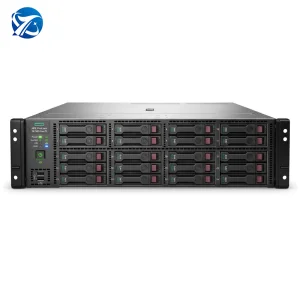
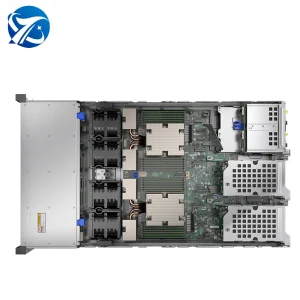
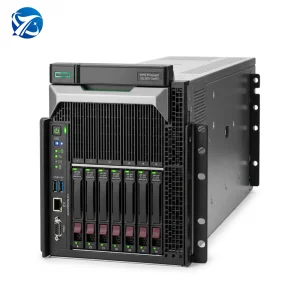
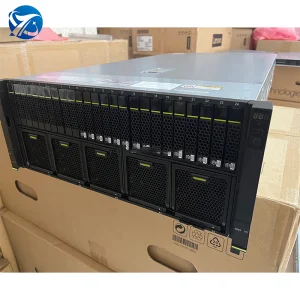
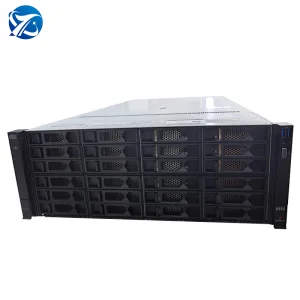
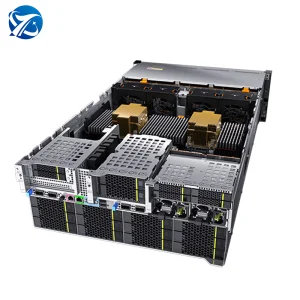
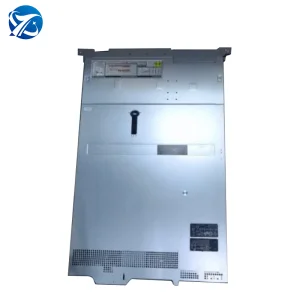
Modern cloud web applications, hyper-scale databases, microservices architectures, and AI model inference arrays demand bare-metal physical servers configured for specific workloads. Standard, off-the-shelf servers often fail to optimize for precise thermal boundaries, local PCIe bandwidth distributions, or specific memory-to-core ratios. This structural limitation is where professional OEM/ODM Web Applications Manufacturers step in.
By tailoring server motherboards, chassis configurations, power delivery units (PDUs), and hardware storage controllers, customized hardware platforms allow companies to maximize computational efficiency, minimize idle hardware waste, and drastically lower Total Cost of Ownership (TCO). In cloud computing ecosystems, this customized engineering directly yields higher container density, faster I/O response times, and superior thermal reliability across massive data center deployments.
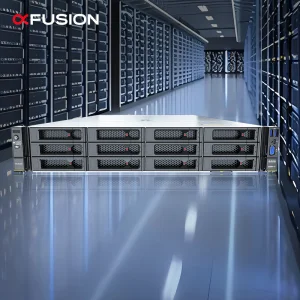
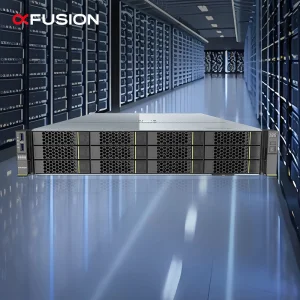
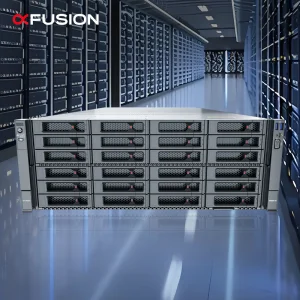
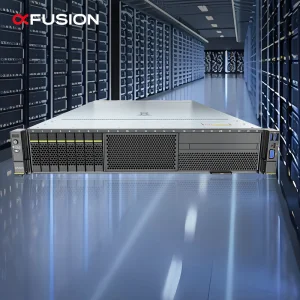
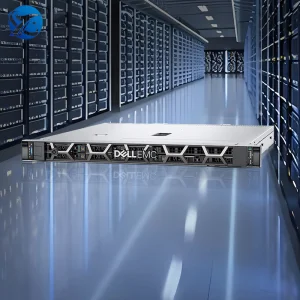
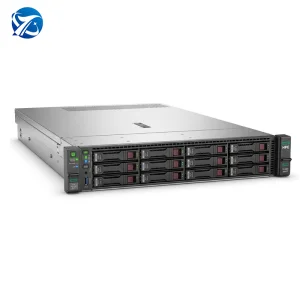
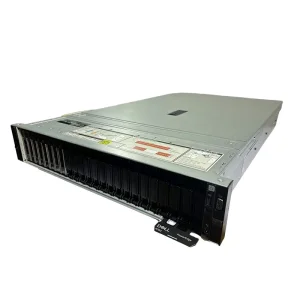
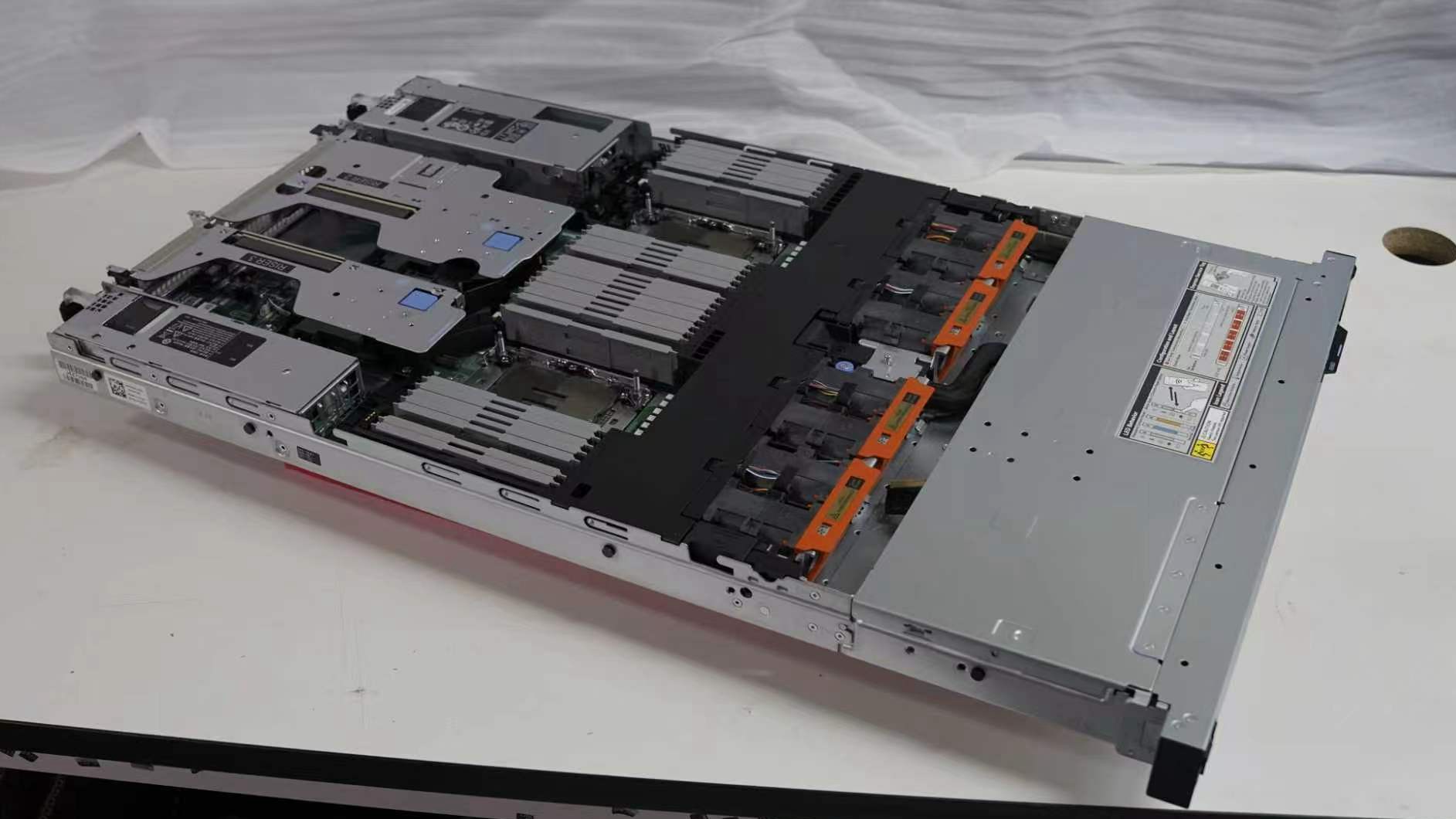
Tailored physical server layouts, designed from the board up to accommodate specific socket configs, heat sink designs, and customized backplanes for optimal application routing.
PCIe Gen 5 NVMe integration combined with customized RAID configurations ensuring high-density throughput for transactional web systems and big data databases.
Engineered memory spacing and power profiles targeting extreme VM (Virtual Machine) densities using the latest Intel Xeon and AMD EPYC architectures.
Established in 2018, NovaAI Technology Co., Ltd. (Brand: NovaAICompute) is a highly specialized provider of AI computing infrastructure and high-performance server solutions. Through custom hardware engineering, we support global industries in artificial intelligence model training, high-capacity cloud database hosting, virtualization environments, and hyperconverged container nodes.
By maintaining strong partnerships across component providers, we deliver custom-engineered physical server configurations designed to power scalable web application infrastructures. Our focus spans high-throughput computing nodes, custom storage architecture, and memory configurations built specifically to match the requirements of enterprise-level cloud platforms.
Our operation is optimized to serve clients across Eastern Europe (15%), the Middle East (15%), and North America (10%), with a production layout that integrates graphic rendering, structural prototyping, thermal simulation, and strict hardware validation cycles.
When global enterprises procure hardware for cloud web applications or computational clusters, sourcing from specialized Chinese factories provides a distinct competitive advantage. This advantage is not merely a product of labor costs, but of integrated industrial clusters, highly flexible prototype validation, and logistics efficiency.
Understanding the future of server hardware is essential for long-term capacity planning. Over the next five years, the convergence of AI microservices and cloud-native application architectures will alter the physical requirements of server nodes:
Modern SaaS web engines are no longer purely CPU-bound. Deep learning recommendation loops and semantic search models require mixed server chassis layouts containing PCIe slots for GPU compute cards running alongside main system CPUs.
With CPU TDPs exceeding 350W and GPU modules drawing up to 700W, traditional air cooling is hitting physical limitations. Factories are designing custom liquid-cooled server jackets and hybrid fan manifolds to optimize power use.
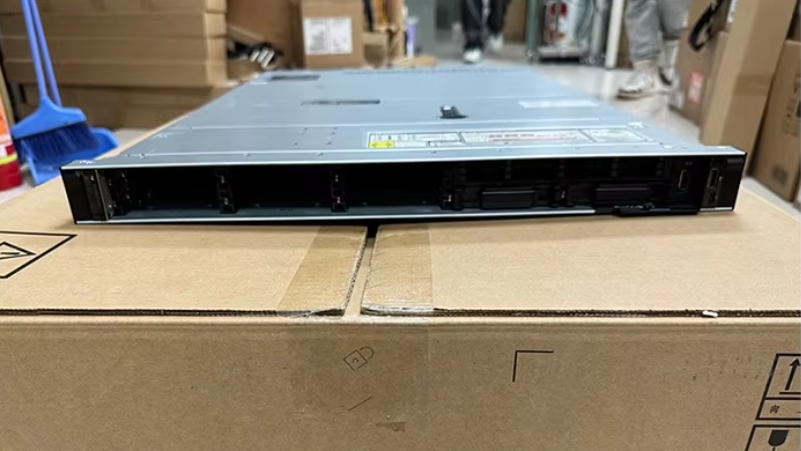
To reduce user latency, modern web applications deploy micro-datacenters at the network edge. This model requires compact 1U/2U server chassis with shortened physical depth, optimized for dust filtration and variable power conditions.
Hardware optimization is dictated by the specific software application running on top of it. Here is how customized OEM/ODM servers are configured for distinct modern workloads:
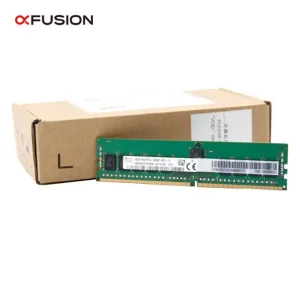
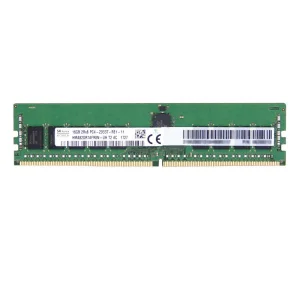
Web applications built on Kubernetes, Docker, and serverless runtimes require fast context-switching and high memory bandwidth. Sourcing custom rack units with multi-channel DDR5 ECC RAM (such as our 4800/6400MHz modules) ensures that database lookup structures remain stored in active memory, minimizing slow disk accesses and preventing CPU thread stalling.
Relational databases (PostgreSQL, MySQL) and NoSQL stores (Redis, MongoDB) require high storage throughput. Customized server configurations feature dedicated PCIe Gen 5 expansion bays, linking NVMe SSDs directly to the main system CPU. This architecture eliminates physical bus bottlenecks and allows web applications to process millions of concurrent read/write queries without database lockups.
For businesses seeking independence from public cloud costs, customized rack setups configured with hyperconverged architectures (e.g., dual-socket processors, high core counts, and massive system memories) provide the physical host capacity required to run thousands of distinct tenant environments under a single enterprise roof.
To ensure high performance and physical durability, NovaAI Technology employs strict verification steps throughout the assembly and configuration phases. Our custom R&D team consists of graduate-level engineers who validate every motherboard design, high-frequency bus routing, and thermal dissipation system.
Every memory chip, motherboard PCB layer, solid-state capacitor, and power delivery unit is logged, ensuring consistent batch stability and clear diagnosis paths in the event of hardware failures.
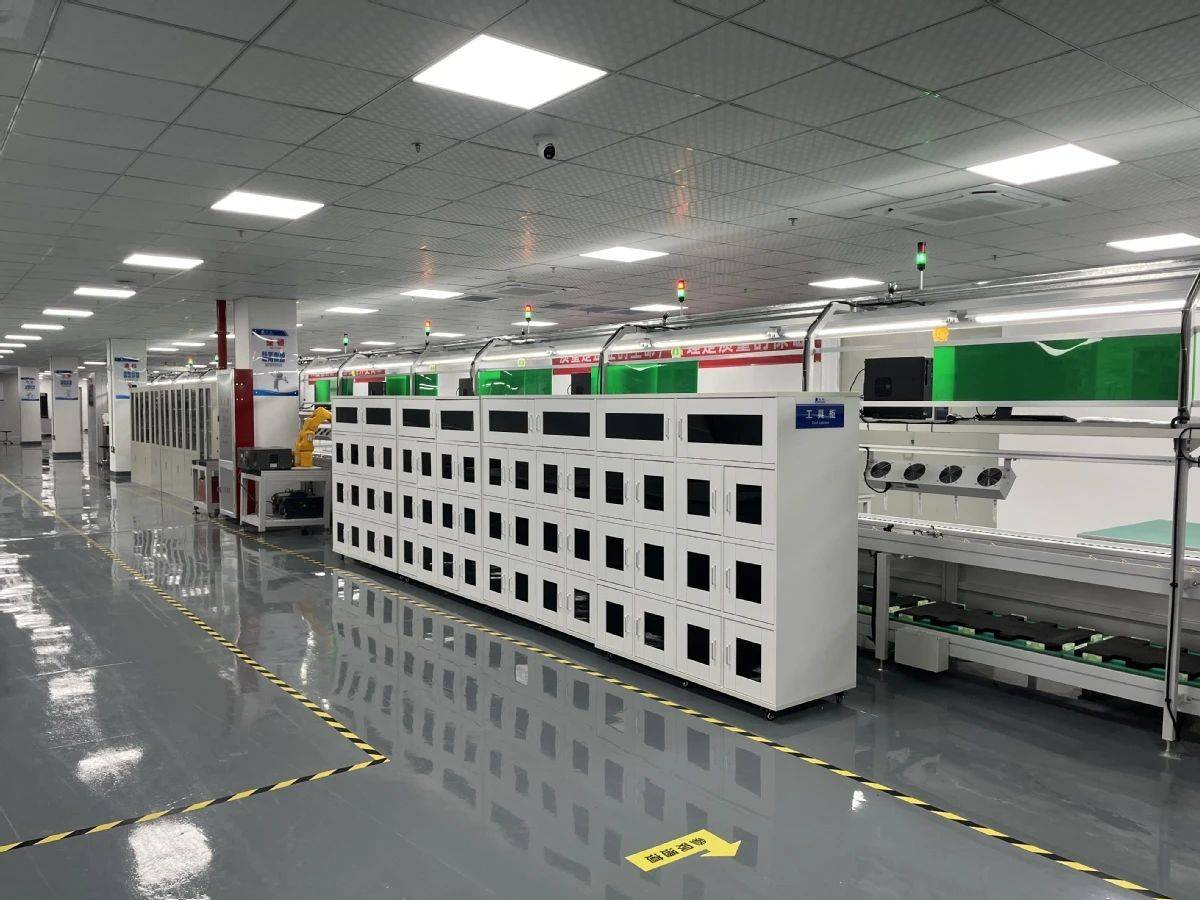
Servers undergo intense environmental validation before shipping, including 72-hour thermal stress cycles, memory diagnostic testing, storage array speed tests, and full interface checks.
Managed by our quality assurance specialists, our verification team oversees structural, electrical, and firmware settings to ensure compliance with strict international certifications.
This structured validation process enables us to support global buyers, system integrators, corporate data centers, and web application hosters with highly reliable computational hardware.
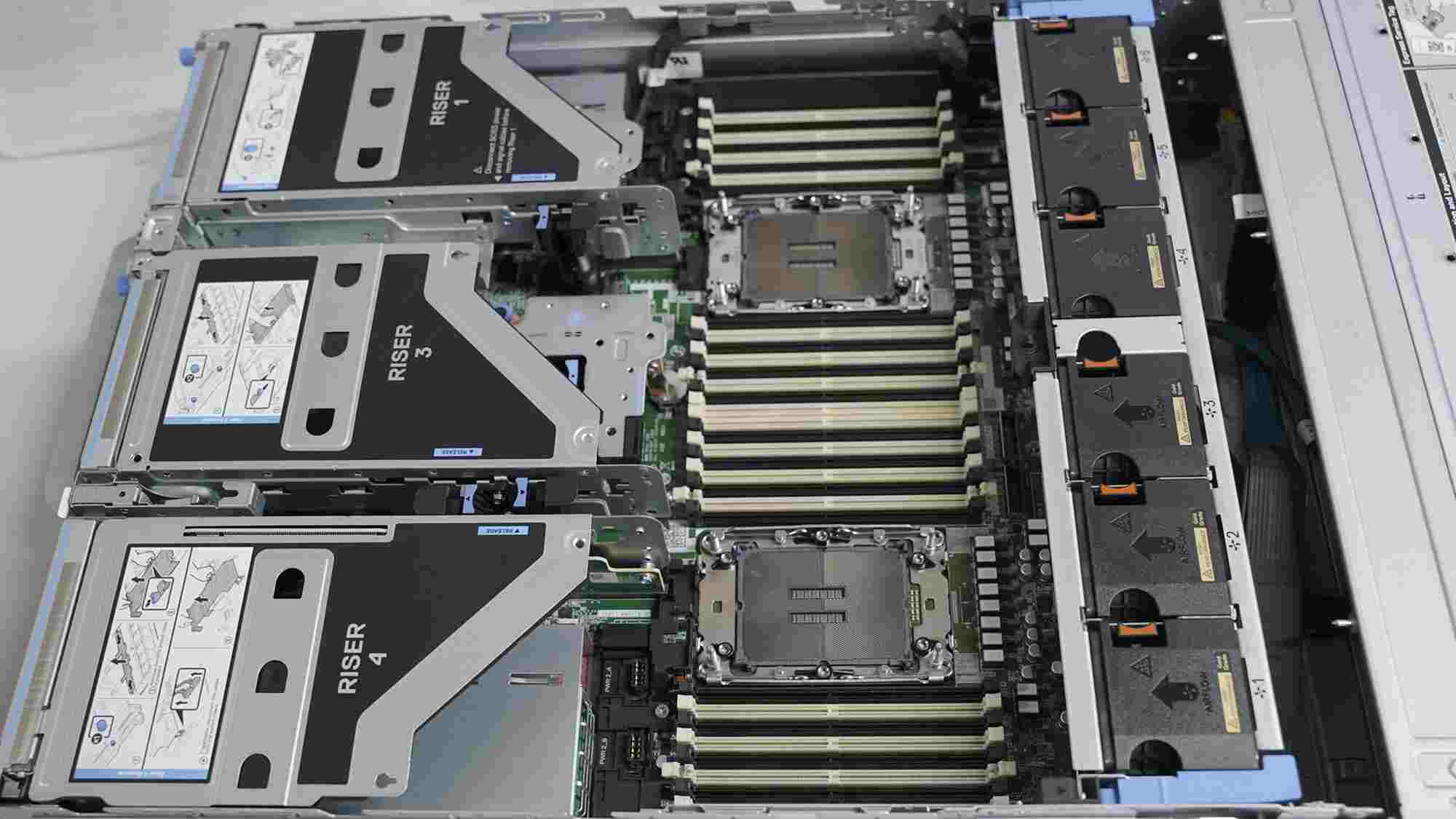
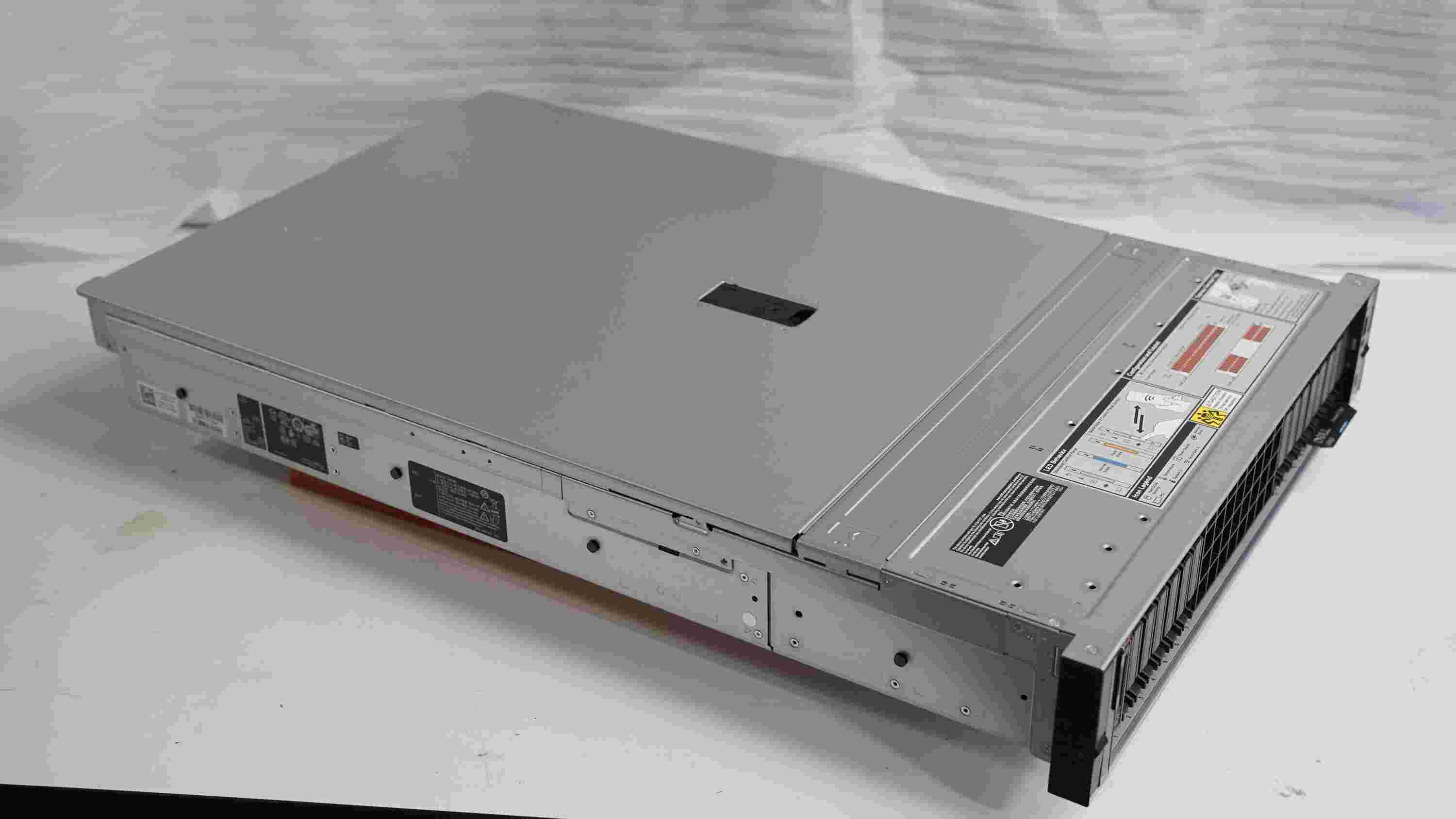
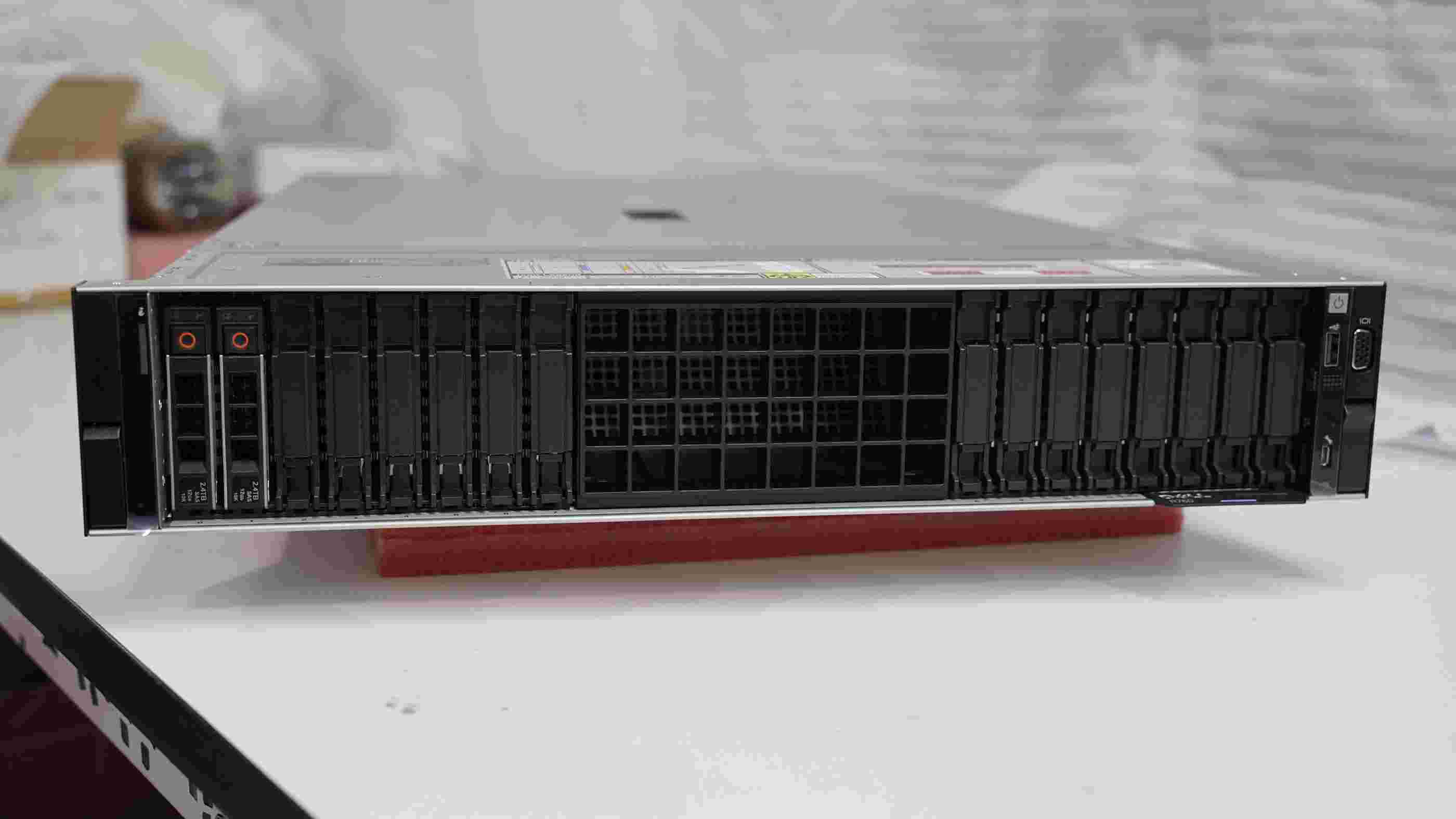
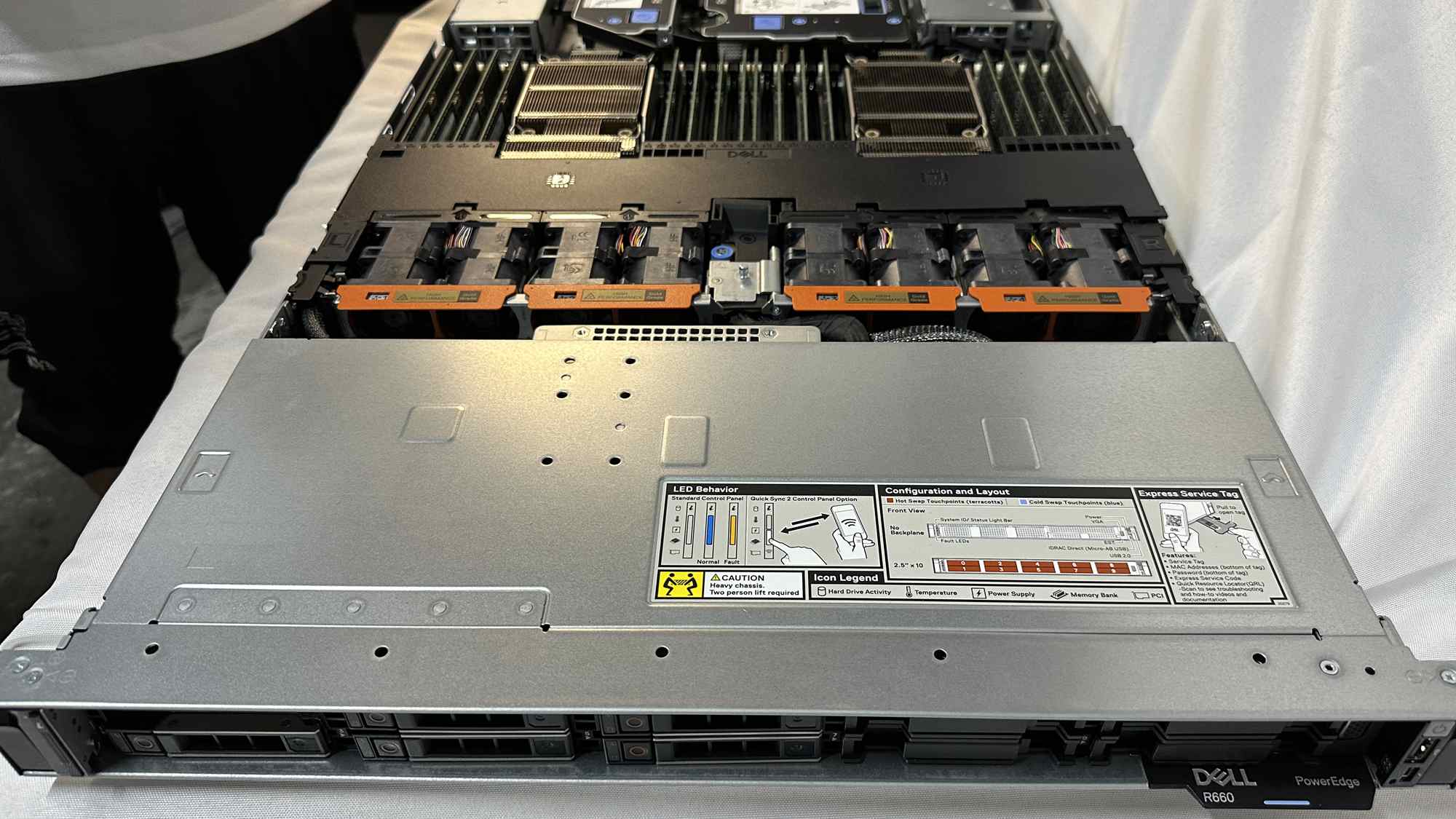
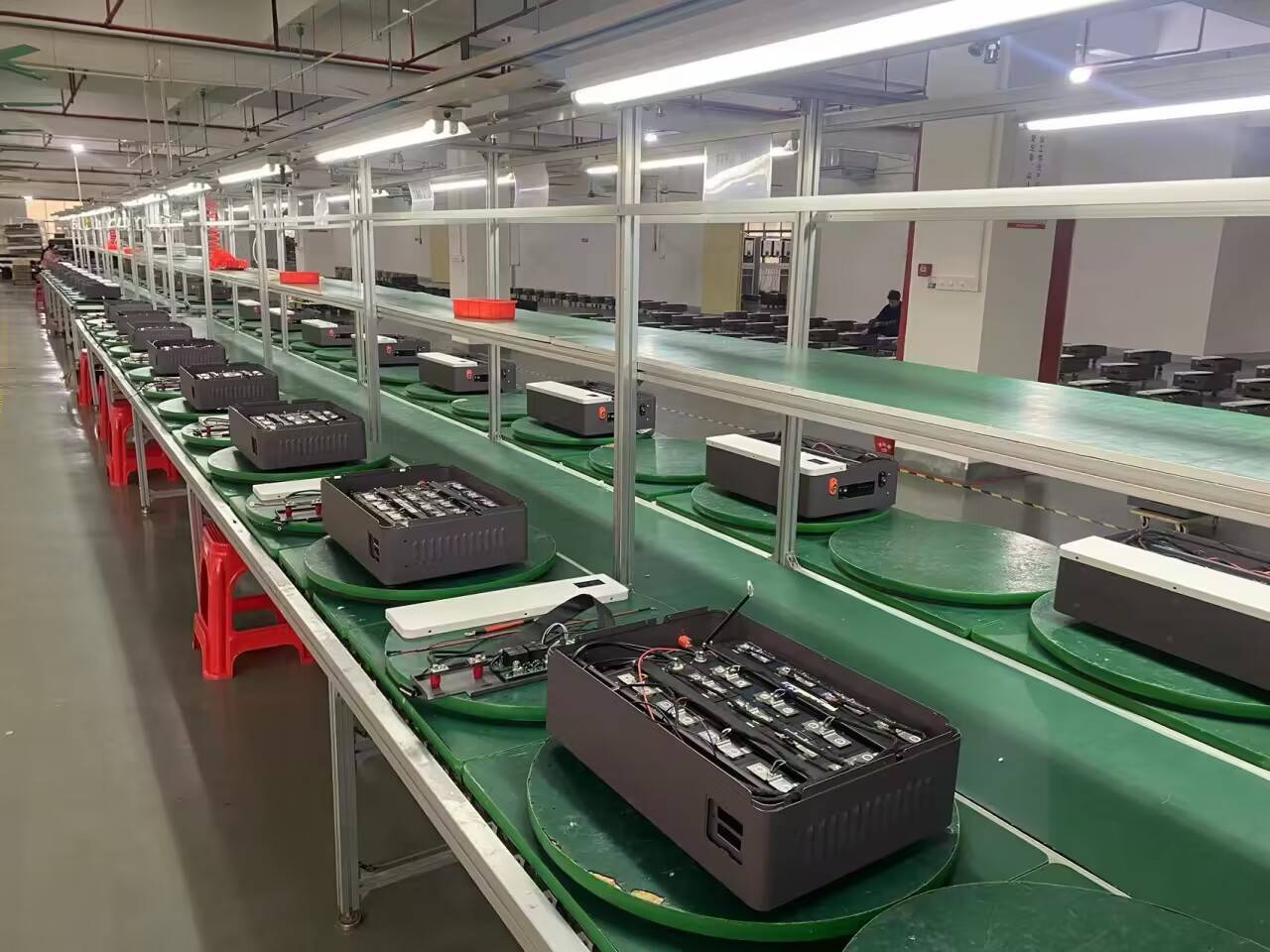
A transparent look inside our manufacturing processes, hardware assembly, and product validation operations:



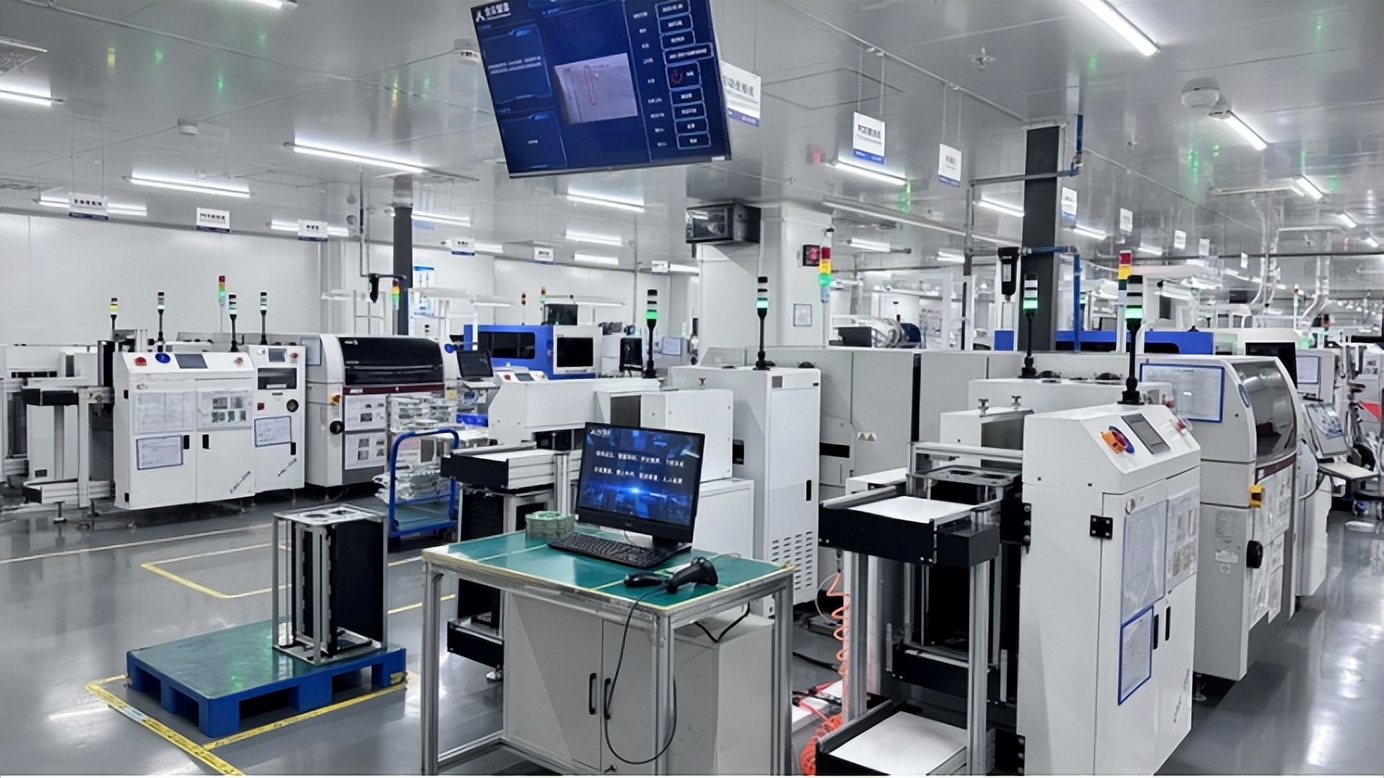
To assist global buyers and systems engineers, we address key technical questions regarding custom hardware manufacturing and validation:
A: Custom servers are designed to match your specific software load. By removing unneeded expansion ports, tuning power supplies to match target processor draw, and adjusting thermal designs for your deployment environment, OEM/ODM hardware lowers energy use, increases system stability, and reduces overall infrastructure costs.
A: We test our custom builds with major hypervisors and OS platforms, including VMware ESXi, Proxmox VE, OpenStack, Red Hat Enterprise Linux, and Ubuntu Server. This ensures clean driver support and system stability before your hardware is shipped.
A: Our engineering team simulates airflow dynamics using virtual design software to match your target TDP. We configure chassis fans, wind guide cowls, heat pipes, and high-efficiency heat sinks to keep your systems running within safe temperature ranges.
A: We support flexible production volumes. Basic memory and disk configurations have no MOQ, while full custom motherboard designs, custom chassis wraps, or custom backplane layouts can be initiated for small runs depending on the project scope.
A: By tracking the batch history of key electronic components, we can isolate and address manufacturing issues quickly. This structure helps maintain stable production quality and supports system reliability over years of operational service.