NovaAI Compute
NovaAI Compute
NovaAI Compute
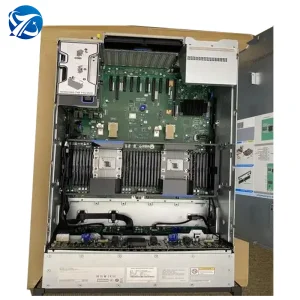
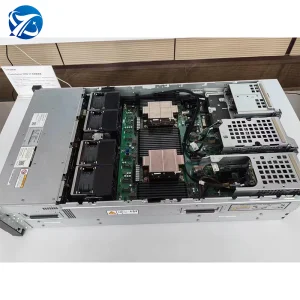
OEM Customized GPU/CPU Cluster Architectures & Storage Accelerators
The global paradigm of enterprise IT infrastructure is experiencing an unprecedented architectural shift. Modern virtualization has evolved from basic virtual machine (VM) partitioning into highly sophisticated, ultra-converged execution layers. With the sudden rise of large language models (LLMs) like DeepSeek, classic hypervisors are giving way to GPU-aware containerization and bare-metal multi-tenant hypervisors. These solutions must natively coordinate massive data pools across PCIe Gen 5 fabrics, complex CXL (Compute Express Link) channels, and ultra-high-density storage pools.
OEM/ODM virtualization factories are tasked with designing custom bare-metal nodes capable of running nested virtualization architectures without latency penalties. Hardware-assisted CPU virtualization (such as Intel VT-x and AMD-V) combined with Single Root I/O Virtualization (SR-IOV) are no longer premium features; they are the architectural baseline. Enterprise suppliers must optimize cooling and processing pipelines to prevent micro-throttling during high-throughput workloads. This design parameter determines the viability of enterprise deployments.
Dividing high-end tensor engines into secure, high-density vGPU slices to run complex models like DeepSeek under high multi-tenant isolation standards.
By bypassing hypervisor bottlenecks via direct physical network configuration, virtualized nodes achieve sub-millisecond data transit times.
Migrating software virtualization networking overhead (OVS) and local NVMe storage virtualization onto dedicated smart silicon cards.
Corporate IT managers and Cloud Service Providers (CSPs) no longer settle for off-the-shelf catalog servers. System efficiency, security compliance (such as physical TPM modules and firmware level root-of-trust), and total cost of ownership (TCO) dictate international procurement decisions. When deploying localized hypervisor setups (such as VMware ESXi, Proxmox VE, or OpenStack KVM), buyers demand platform flexibility.
A typical procurement cycle addresses the bottleneck of CPU resource allocation ratio. The core challenge of high-density virtualization lies in CPU overcommit capabilities. This demands servers optimized for massive L3 cache sizes and high memory bandwidth (e.g. 12-channel DDR5 6400MT/s configurations). If the server motherboard does not feature optimal signal integrity, multi-socket configurations will throttle, defeating the purpose of hardware consolidation.
"In modern cloud infrastructures, every millisecond of virtualization overhead translates to millions of dollars in lost processing performance. Choosing the right ODM partner means securing bare-metal hardware designed specifically for container and VM containerization layers."
Furthermore, virtualization nodes must maintain deep-integration capabilities with external Storage Area Networks (SANs). High-density NVMe arrays must support NVMe over Fabrics (NVMe-oF) via RDMA (RoCE v2) to ensure remote virtual disks behave identically to local SSD installations. Consequently, procurement leads focus heavily on custom OEM backplanes, smart RAID configurations (such as standard PCIe boot cards with hardware RAID 0/1/JBOD support), and redundant hot-swappable power delivery architectures.
Industry Experience
New Products Annually
Cooperative Partners
Annual Export Volume
China's manufacturing sector has undergone a massive transformation from high-volume assembly to precision system integration, often referred to as Factory 4.0. The center of this shift is the Shenzhen computing hardware cluster. Here, component suppliers, high-frequency PCB fabricators, assembly lines, and firmware validation labs operate within a concentrated physical ecosystem. For virtualization servers, this geographical concentration minimizes design loops, allowing custom motherboards to transition from schematic design to prototype verification in record time.
At NovaAI Technology Co., Ltd. (NovaAICompute), we leverage this manufacturing ecosystem to ensure supply chain resilience. With access to over 300 trusted supply chain partners, raw component shortages (such as PWM ICs, high-end capacitors, or advanced LAN controllers) are quickly mitigated. This integrated supply chain allows our R&D department to introduce roughly 100 new customized product iterations annually, providing custom options that meet international standards.
In terms of quality control, we utilize trace systems mapping raw component lots to specific server serial numbers. Our dedicated quality control engineers manage a rigorous verification process:
OEM virtualization infrastructure is engineered for highly specific target deployment environments. Depending on the workloads, hardware configurations are custom-optimized to support specific virtualization layers:
Utilizing high-density dual-socket hypervisors with high memory footprints to host hundreds of isolated legacy ERP/CRM workloads on a single node.
Equipping nodes with specialized vGPU architectures to allocate hardware-accelerated user graphics directly to remote endpoints over encrypted protocols.
Running high-speed containerized neural pipelines on GPU rack systems with local NVMe arrays, ensuring sub-millisecond execution speeds.
NovaAI Technology Co., Ltd. (Brand: NovaAICompute) is a professional provider of AI computing infrastructure and high-performance server solutions, established in 2018. With a strong focus on innovation and reliability, we specialize in delivering advanced computing systems for global customers in AI training, data processing, and enterprise-level applications.
Since its establishment, the company has accumulated 8 years of industry experience and 8 years of export experience, serving clients across Eastern Europe, the Middle East, and North America. Our facility covers a total area of 150 square meters, supported by a stable supply chain network of over 300 cooperative partners, enabling efficient production and delivery for global markets. In the past year, our annual export revenue reached USD 1.54 million, demonstrating strong international business capability.
Our R&D team consists of graduate-level engineers who specialize in customized hardware designs, sample processing, and graphic customization. We develop roughly 100 new, custom product iterations annually. This allows us to offer optimized configurations for specialized environments, ensuring clients receive highly tailored solutions.
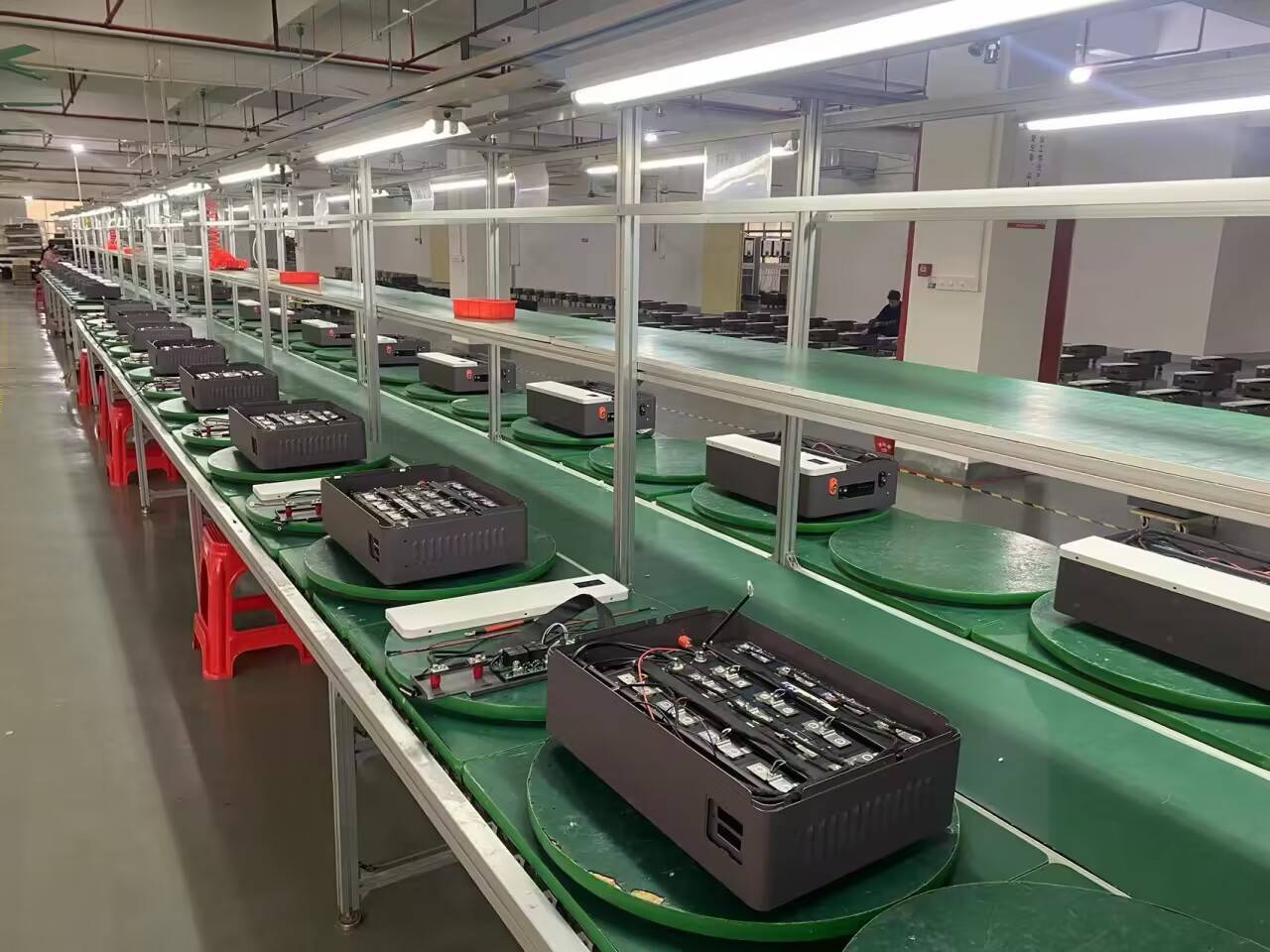
NovaAI Technology maintains strict quality control standards throughout the entire production process. All products are subject to full inspection procedures, and raw materials are traceable to ensure consistency, reliability, and performance.
We serve a diverse range of clients, including brand companies, retailers, engineers, wholesalers, manufacturers, and private users. This diversified customer base reflects our flexibility in supporting both enterprise and individual computing needs.
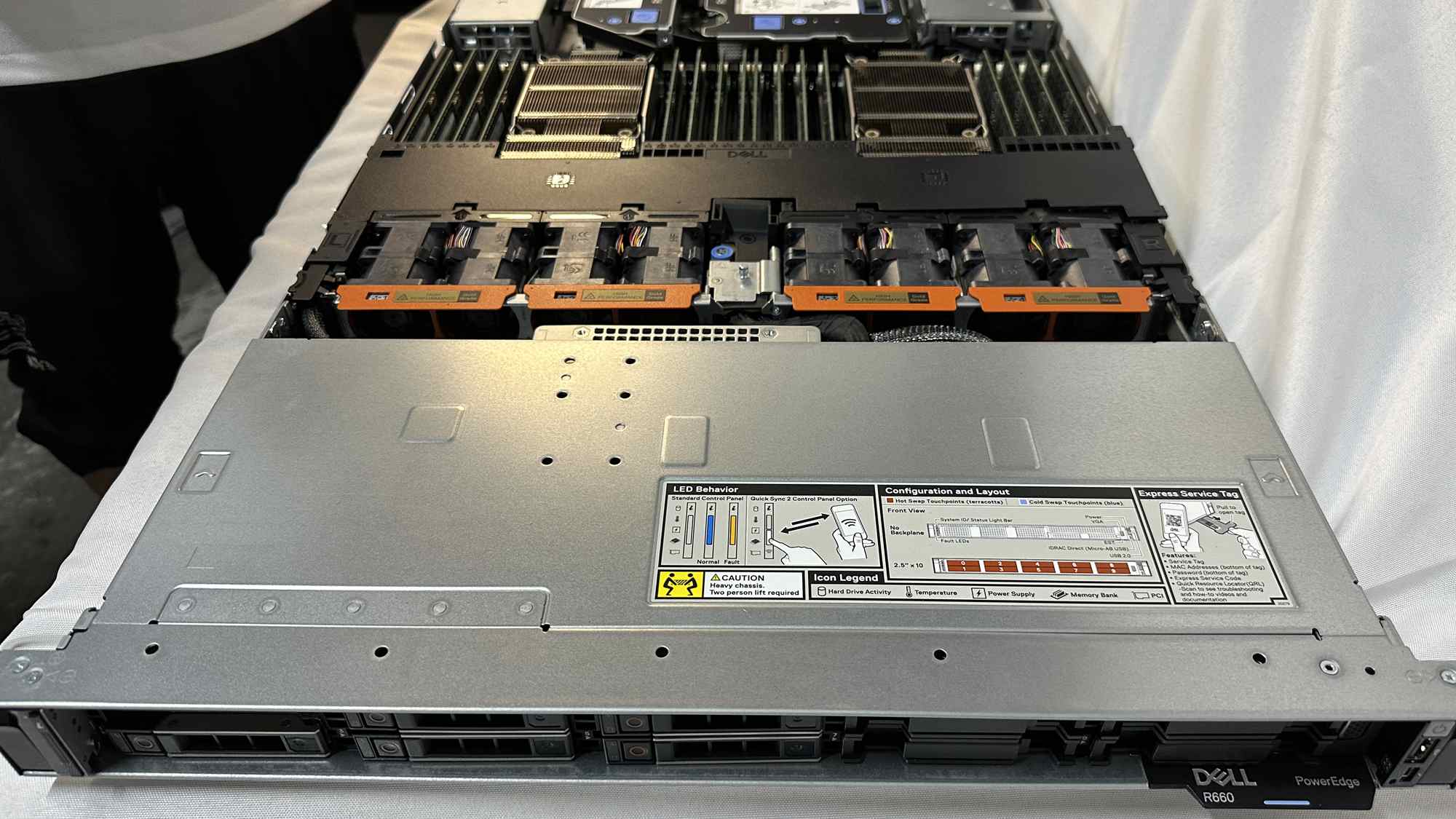
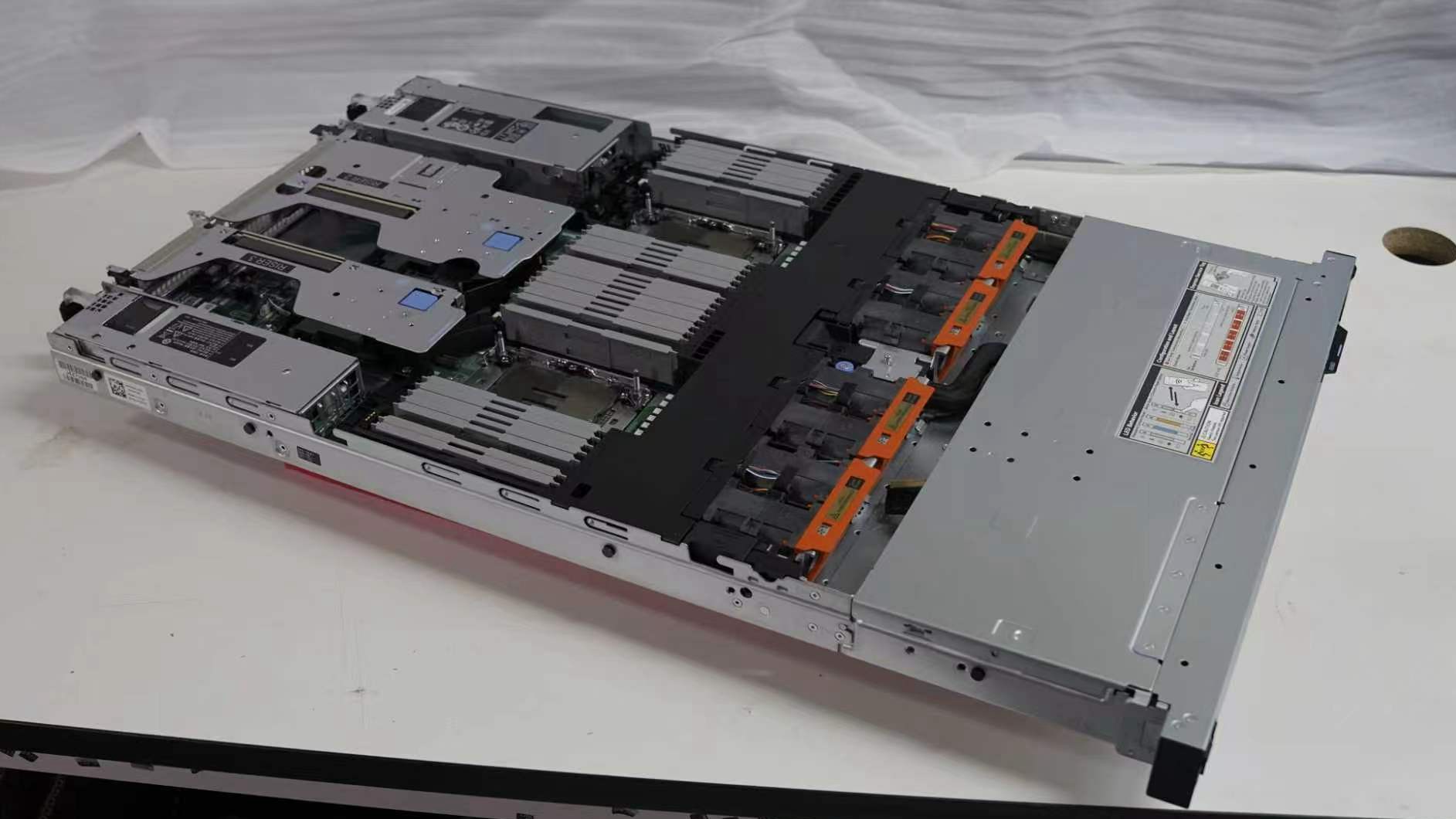
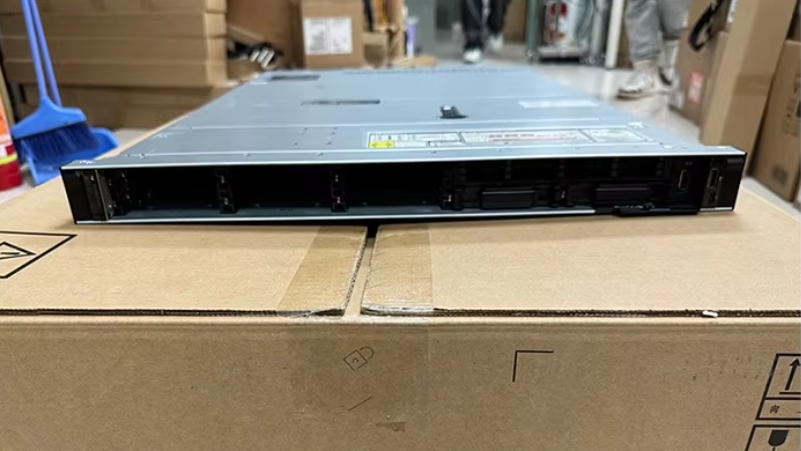
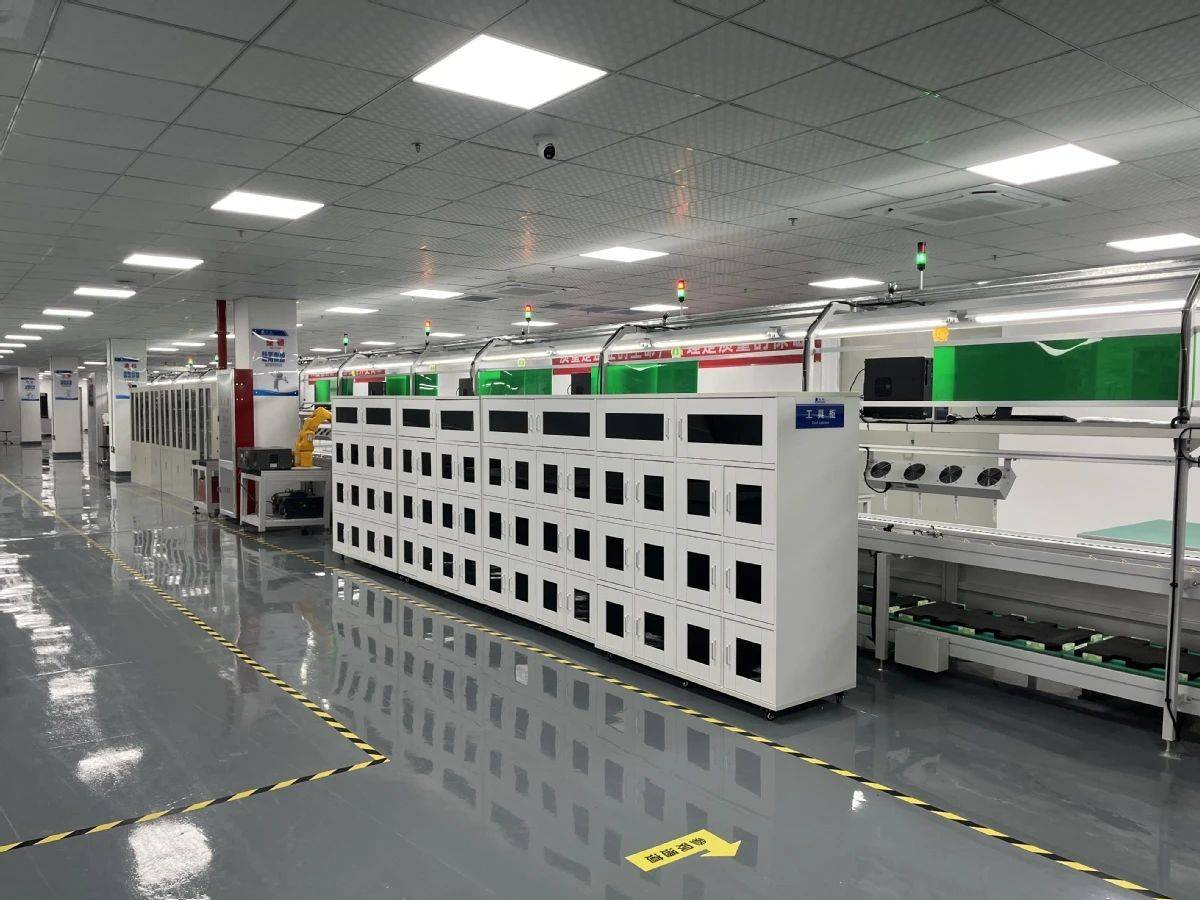
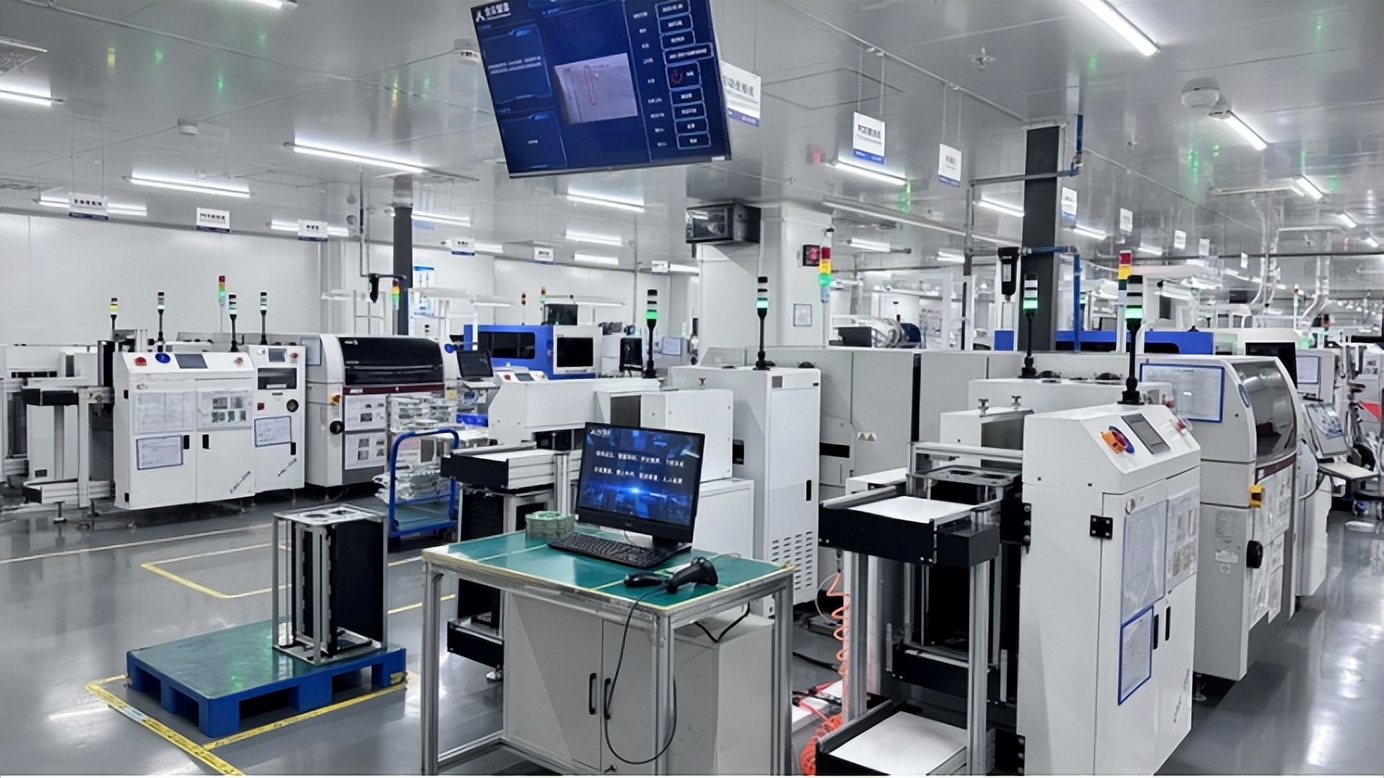
Inside Our Operations, Testing, and QC Environments




Key Architecture & Integration Inquiries Addressed by Experts
Scalable Hardware for Enterprise Virtualization Deployment