NovaAI Compute
Choosing the right AI server supplier is crucial for modern businesses. As organizations increasingly rely on AI for operations, making informed decisions becomes vital. Expert Tom Henderson, a leading voice in the field, once stated, "Selecting the right AI server supplier can make or break your project." His insight highlights the importance of clarity in supplier choices.
AI server suppliers differ significantly in quality and support. Businesses must evaluate their specific needs. Not all suppliers provide the same level of service or technology. Consider performance, support options, and scalability. An ideal supplier should enhance your AI ambitions.
However, many companies overlook the long-term implications of their choices. They may prioritize price over reliability, risking future complications. Understanding your own business requirements is essential. The right AI server supplier can drive innovation. Settling for less can hinder progress and efficiency.
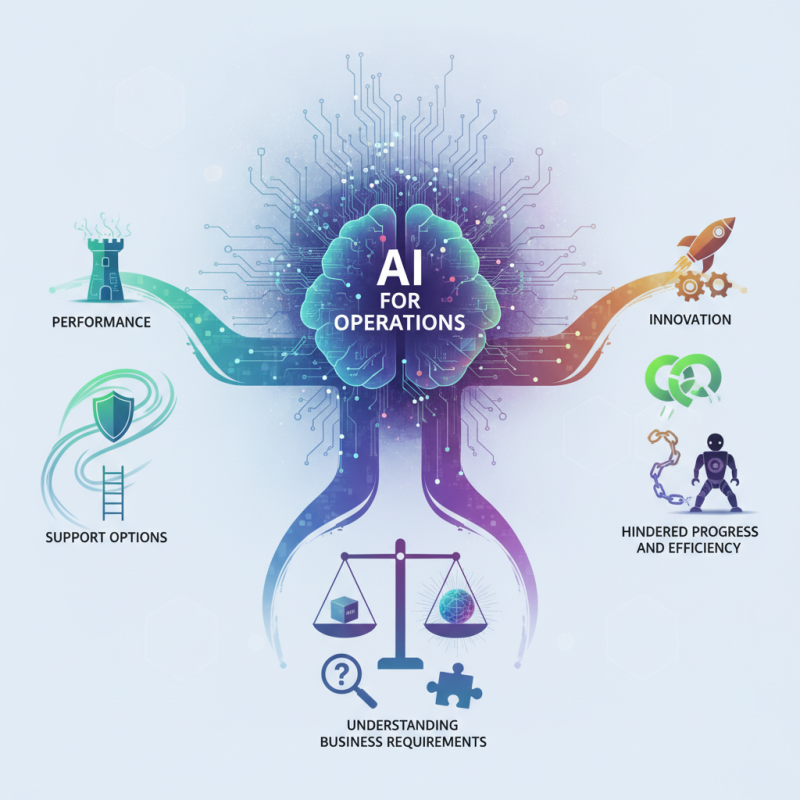
Choosing the right AI server supplier is crucial for your business's success. The importance of selecting a reliable partner cannot be overstated. According to a recent industry report, 65% of companies that invest in high-quality AI infrastructure see a significant improvement in operational efficiency. This is attributed to the ability of a robust AI server to handle large datasets and process complex algorithms efficiently.
It’s also essential to consider the scalability of the server. The demand for data processing is growing. A report from Gartner reveals that by 2025, businesses will process over 100 zettabytes of data annually. Therefore, finding a supplier that offers scalable solutions can future-proof your operations and save costs in the long run.
Tips: Look for suppliers with proven track records. Check if they have certifications or endorsements from recognized industry bodies. Evaluate their customer reviews carefully; not all feedback represents the full picture. Maintaining an adaptable approach will enable you to pivot when needed. A supplier’s support and service quality can make or break your experience. Always ensure they provide comprehensive assistance post-purchase.
When selecting an AI server vendor, consider several key factors. First, assess their expertise and experience in AI technologies. Look for a supplier with a proven track record in deploying AI solutions. Check case studies or testimonials to gauge their reliability. Also, understand their approach to customer support. Responsive support can be crucial during the implementation phase.
Next, evaluate the scalability of their solutions. Your business may grow, and your AI needs will evolve. Ensure the vendor offers solutions that can adapt to your changing requirements. Also, it’s essential to consider the hardware and software integration they provide. A seamless integration can save time and reduce complications later on.
Lastly, do not overlook the importance of pricing and value. Cheaper options might seem appealing but can lead to hidden costs. Think carefully about long-term investments rather than short-term savings. Always remember that the decision you make could significantly impact your AI initiatives. Reflect on these aspects thoroughly before making a choice.
| Factor | Description | Importance Level |
|---|---|---|
| Performance | Assess the processing capabilities, including CPU and GPU options to handle AI workloads effectively. | High |
| Scalability | Ensure that the server can grow with your business needs and can adapt to increasing data and user demands. | High |
| Support and Services | Evaluate the level of customer service and technical support provided to resolve any issues quickly. | Medium |
| Cost | Consider the total cost of ownership, including upfront costs, maintenance, and power consumption. | Medium |
| Compatibility | Check if the server can integrate well with existing tools, software, and technologies used in your organization. | High |
| Security | Ensure that the server provider offers robust security measures to protect sensitive data and comply with regulations. | High |
| Energy Efficiency | Look for servers that minimize power consumption while maximizing performance, which is crucial for sustainability. | Low |
When selecting an AI server, performance metrics must be a priority. Benchmark reports, like those from the Top500 list, show specific data on throughput and latency for various servers. For AI applications, a server's GPU performance is pivotal. According to industry standards, a server with CUDA cores can dramatically speed up processing times. For instance, a powerful server can reduce execution time by up to 30%.
Processing time is only part of the equation. Memory bandwidth also plays a critical role. Recent studies indicate that servers with higher bandwidth — around 900 GB/s — provide significant advantages in handling large datasets. This can improve training times for machine learning models by nearly 25%. It's essential, however, not to overlook thermal management and power efficiency. These factors can impact long-term operational costs. If a server's cooling system fails, performance can drop significantly, leading to delays and increased costs.
Consider scalability as well. A server that handles big data today may struggle tomorrow. As your business grows, so should your server's capabilities. Choosing a supplier that offers modular upgrades can ensure your infrastructure doesn't become obsolete quickly. Pay attention to vendor support and reliability when evaluating options. A well-informed decision can have lasting implications for operational efficiency and cost-effectiveness.
Choosing the right AI server supplier goes beyond price. Evaluating customer support services is crucial for long-term success. A recent report from Gartner indicates that 70% of businesses encounter issues with vendor support. This highlights the importance of having timely and effective assistance. A dedicated support team can minimize downtime. Having quick access to experts can resolve issues faster.
Service Level Agreements (SLAs) are another critical factor. According to IDC, 47% of businesses experience performance issues with their servers. A strong SLA will define expectations clearly. It should outline response times, resolution metrics, and penalties for non-compliance. Transparent SLAs build trust and ensure accountability. Businesses thrive when they know their supplier is committed to meeting their needs.
Customer support and SLAs impact your overall operational efficiency. Poor support can result in increased costs. Subpar agreements may lead to unexpected downtime, affecting productivity. It is essential to analyze past performance metrics of suppliers. Considering these elements can lead to a more informed decision. Ultimately, the right choice can influence a company’s growth trajectory.
Selecting the right AI server supplier is crucial for your business's success. Scalability and flexibility are key factors in this decision. A report from Deloitte highlights that nearly 75% of companies value scalability when choosing technology vendors. This is no surprise. The ability to expand resources as demand grows is essential in today's fast-paced market.
Businesses often face fluctuating workloads. A scalable AI server can adjust easily. According to Gartner, organizations that prioritize flexibility can optimize performance by up to 50%. However, many companies underestimate the time needed for integration. Sometimes, new systems create more friction than expected. This can lead to inefficient resource management.
Furthermore, flexibility should extend beyond hardware. It involves software adaptivity too. AI technologies must evolve with your needs. However, the complexity of integration can lead to frustrations. Companies report that about 30% experience difficulties due to rigid server structures. This can slow growth and increase operational costs. Emphasizing both scalability and flexibility is essential for a successful AI strategy.
: Good customer support minimizes downtime and resolves issues quickly. This leads to better operational efficiency.
About 70% of businesses encounter problems with vendor support according to recent findings.
SLAs define expectations like response times and resolution metrics. They ensure accountability and build trust.
Subpar support can lead to higher costs and unexpected downtime, which negatively impacts productivity.
Scalability allows businesses to adjust resources based on demand. This adaptability is crucial for success.
Flexible servers help optimize performance and can enhance efficiency by up to 50%.
Companies often underestimate integration time, leading to potential inefficiencies and resource mismanagement.
Software adaptability is as vital as hardware flexibility for meeting evolving needs effectively.
Approximately 30% of organizations face difficulties caused by rigid server designs.
Looking at past performance metrics can help make a more informed supplier decision.
Choosing the right AI server supplier is crucial for businesses aiming to leverage artificial intelligence effectively. Understanding the importance of selecting a capable vendor is the first step, as the right supplier can significantly impact performance, reliability, and overall success. Key factors to consider include performance metrics, which help compare the computational power and efficiency of various AI server options, as well as customer support and service level agreements that ensure the supplier can assist when issues arise.
Moreover, evaluating the scalability and flexibility of AI server solutions is essential, as businesses need infrastructure that can grow alongside their requirements. In summary, a well-rounded approach to selecting an AI server supplier involves careful consideration of these elements to align the technological needs with business objectives, paving the way for successful AI integration and innovation.
